Efficient Waste Management Solutions The Garbage Compactor Truck for Commercial Use


Introduction:
In today's world, efficient waste management is a critical component of maintaining a clean and healthy environment. Businesses, municipalities, and organizations are constantly seeking innovative solutions to handle the ever-increasing amount of waste generated on a daily basis. One such solution that has revolutionized the waste management industry is the garbage compactor truck. These specialized vehicles play a crucial role in collecting, compacting, and transporting solid waste efficiently and effectively. In this article, we will delve into the intricacies of garbage compactor trucks for commercial use, exploring their features, benefits, and the impact they have on waste management practices.
1. The Evolution of Garbage Compactor Trucks
Garbage compactor trucks, also known as refuse compactors or waste compactors, have come a long way since their inception. The first compactor trucks were introduced in the early 20th century as a response to the growing problem of waste accumulation in urban areas. These early models were rudimentary and inefficient compared to the advanced compactor trucks we see today.
Over the years, advancements in technology and engineering have transformed garbage compactor trucks into sophisticated machines capable of handling large volumes of waste with ease. Modern compactor trucks are equipped with powerful hydraulic systems, automated compaction mechanisms, and ergonomic designs to streamline the waste collection process. These developments have significantly improved the efficiency and effectiveness of waste management operations in commercial settings.
2. Types of Garbage Compactor Trucks
There are several types of garbage compactor trucks available in the market, each designed to cater to specific waste management needs. The most common types of compactor trucks include:
- Rear Loader Compactor Trucks: Rear loader compactor trucks are equipped with a hydraulic compactor mechanism at the rear of the vehicle. Waste collectors load the waste into the hopper at the back of the truck, which is then compacted using the hydraulic press. Once the waste is compacted, it is transported to the disposal site for further processing.
- Front Loader Compactor Trucks: Front loader compactor trucks feature a hydraulic compactor mechanism at the front of the vehicle. These trucks are commonly used for commercial waste collection in urban areas where space constraints make it difficult for rear loader trucks to maneuver. Front loader compactor trucks are ideal for collecting waste from commercial establishments, industrial facilities, and large residential complexes.
- Side Loader Compactor Trucks: Side loader compactor trucks have a compactor mechanism mounted on the side of the vehicle. These trucks are designed for curbside waste collection in residential neighborhoods and areas with narrow streets. Side loader compactor trucks offer the flexibility to collect waste from both sides of the street without the need for the truck to turn around.
- Roll-Off Compactor Trucks: Roll-off compactor trucks are used for collecting and transporting large volumes of waste from construction sites, industrial facilities, and commercial establishments. These trucks feature a detachable container that can be loaded onto the truck for transportation. Once the container is full, it is transported to the disposal site where the waste is compacted and processed.
3. Key Features of Garbage Compactor Trucks
Garbage compactor trucks are equipped with a variety of features that enhance their performance and efficiency in waste management operations. Some of the key features of compactor trucks include:
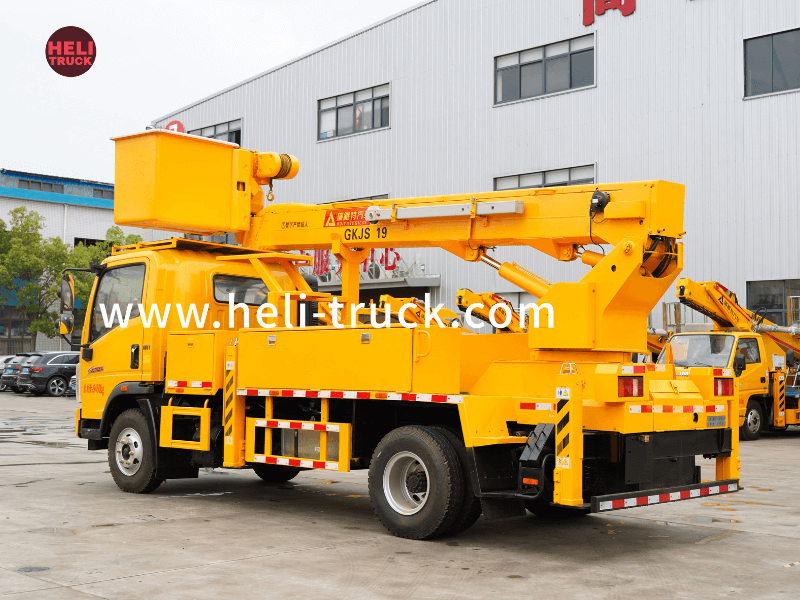
- Hydraulic Compaction System: The hydraulic compaction system is the heart of a garbage compactor truck. It consists of a hydraulic press that compresses the waste to reduce its volume, allowing more waste to be stored in the truck. The hydraulic system is controlled by the operator using a series of levers and controls inside the cab of the truck.
- Automated Loading Mechanism: Most modern compactor trucks are equipped with automated loading mechanisms that facilitate the collection of waste without manual intervention. These mechanisms include lifting arms, grabbers, and tippers that can pick up waste containers and empty them into the hopper of the truck. This automation reduces the physical strain on waste collectors and improves the speed and efficiency of the collection process.
- Compaction Ratio: The compaction ratio of a garbage compactor truck refers to the amount by which the waste is compressed compared to its original volume. Higher compaction ratios allow the truck to hold more waste before needing to be emptied, reducing the frequency of trips to the disposal site. Compactor trucks with higher compaction ratios are more efficient and cost-effective in managing waste collection operations.
- Waste Storage Capacity: The waste storage capacity of a compactor truck is an important factor to consider when choosing a vehicle for commercial use. Trucks with larger storage capacities can collect more waste before needing to be emptied, reducing downtime and increasing productivity. The size of the storage compartment will depend on the type and size of the compactor truck, with rear loader trucks typically having larger capacities than front or side loader trucks.
- Safety Features: Garbage compactor trucks are designed with various safety features to protect operators and pedestrians during waste collection operations. These features may include backup cameras, proximity sensors, emergency stop buttons, and warning alarms to alert surrounding individuals of the truck's movements. Safety is paramount in waste management operations, and compactor trucks are equipped with the necessary features to ensure a safe working environment.
4. Benefits of Using Garbage Compactor Trucks
The use of garbage compactor trucks offers a wide range of benefits for businesses and municipalities involved in waste management. Some of the key benefits of using compactor trucks include:
- Increased Efficiency: Garbage compactor trucks are designed to streamline the waste collection process, making it more efficient and cost-effective. The compaction mechanism allows more waste to be stored in the truck, reducing the frequency of trips to the disposal site. This results in time and fuel savings for waste management operations.
- Reduced Labor Costs: The automation of waste collection with compactor trucks reduces the manual labor required for loading and unloading waste. This not only increases the productivity of waste collection crews but also minimizes the physical strain on workers. As a result, businesses can reduce labor costs and allocate resources more effectively.
- Environmental Benefits: Garbage compactor trucks play a crucial role in environmental sustainability by reducing the volume of waste sent to landfills. The compaction process minimizes the space occupied by waste, allowing more waste to be transported in each trip. This helps reduce greenhouse gas emissions associated with transporting waste and prolongs the lifespan of landfills.
- Improved Hygiene and Sanitation: The enclosed design of garbage compactor trucks helps contain odors and prevent spillage during waste collection and transportation. This promotes a cleaner and more hygienic environment for waste collection crews and the surrounding community. Compactor trucks are also equipped with leak-proof containers to prevent environmental contamination.
- Versatility and Flexibility: Garbage compactor trucks are versatile vehicles that can adapt to various waste collection requirements. Whether collecting household waste, commercial waste, or industrial waste, compactor trucks offer the flexibility to handle different types of waste efficiently. The availability of different types of compactor trucks allows businesses to choose the most suitable vehicle for their specific needs.
5. Impact of Garbage Compactor Trucks on Waste Management Practices
The widespread adoption of garbage compactor trucks has had a significant impact on waste management practices worldwide. These specialized vehicles have revolutionized the way waste is collected, compacted, and transported, leading to more sustainable and efficient waste management practices. Some of the key impacts of garbage compactor trucks on waste management practices include:
- Reduced Environmental Footprint: Garbage compactor trucks help reduce the environmental footprint of waste management operations by minimizing the amount of waste sent to landfills. The compaction process maximizes the use of available space in the truck, allowing more waste to be transported in each trip. This reduces the number of trips required to collect waste, resulting in lower fuel consumption and greenhouse gas emissions.
- Improved Public Health: Efficient waste management practices facilitated by garbage compactor trucks contribute to improved public health and sanitation. By reducing the volume of waste and containing odors and spillage, compactor trucks help create a cleaner and healthier environment for waste collection crews and the general public. This, in turn, reduces the risk of disease transmission and contamination.
- Enhanced Resource Recovery: Garbage compactor trucks play a key role in resource recovery by enabling the efficient collection and transportation of recyclable materials. Many compactor trucks are equipped with separate compartments for recyclables, allowing waste collectors to segregate and transport recyclable materials to recycling facilities. This promotes the circular economy and reduces the burden on natural resources.
- Cost Savings: The use of garbage compactor trucks offers cost savings for businesses and municipalities involved in waste management. The increased efficiency and productivity of compactor trucks result in reduced operational costs, including labor, fuel, and maintenance expenses. Businesses can optimize their waste management operations and allocate resources more effectively, leading to long-term cost savings.
6. Challenges and Considerations
While garbage compactor trucks offer numerous benefits for waste management operations, there are also challenges and considerations that need to be addressed to maximize their effectiveness. Some of the key challenges and considerations include:
- Maintenance and Repairs: Garbage compactor trucks are complex machines that require regular maintenance and servicing to ensure optimal performance. Routine inspections, lubrication, and repairs are essential to prevent breakdowns and prolong the lifespan of the vehicle. Businesses must allocate resources for maintenance and repairs to minimize downtime and maximize the efficiency of compactor trucks.
- Training and Safety: Operating a garbage compactor truck requires specialized training to ensure the safety of operators and pedestrians. Waste collection crews must be trained in operating the hydraulic systems, compaction mechanisms, and safety features of the truck. Proper training and adherence to safety protocols are crucial to prevent accidents and injuries during waste collection operations.
- Regulatory Compliance: Businesses and municipalities using garbage compactor trucks must comply with local regulations and environmental standards governing waste management practices. This includes proper disposal of waste, recycling of materials, and adherence to noise and emission regulations. Failure to comply with regulations can result in fines, penalties, and damage to the reputation of the organization.
- Waste Segregation: Proper waste segregation is essential to maximize the efficiency of garbage compactor trucks and promote resource recovery. Businesses must educate employees and residents on the importance of segregating waste into recyclables, organic waste, and non-recyclables. Compactor trucks with separate compartments for different types of waste facilitate the segregation process and enhance the sustainability of waste management practices.
7. Future Trends and Innovations
The future of waste management is evolving with advancements in technology and innovation, and garbage compactor trucks are not exempt from these developments. Some of the future trends and innovations in garbage compactor trucks include:
- Smart Waste Management Systems: The integration of smart technologies such as GPS tracking, sensors, and data analytics into garbage compactor trucks enables real-time monitoring and optimization of waste collection operations. Smart waste management systems provide valuable insights into waste generation patterns, collection routes, and vehicle performance, allowing businesses to make informed decisions and improve efficiency.
- Electric and Hybrid Compactor Trucks: With a growing emphasis on sustainability and reducing carbon emissions, electric and hybrid compactor trucks are emerging as viable alternatives to traditional diesel-powered vehicles. Electric compactor trucks offer zero-emission operation, lower operating costs, and reduced noise pollution, making them environmentally friendly options for waste management operations.
- Autonomous Waste Collection Vehicles: The development of autonomous vehicles in the waste management industry opens up new possibilities for improving efficiency and safety in waste collection operations. Autonomous waste collection vehicles equipped with sensors and artificial intelligence can navigate urban environments, collect waste, and interact with waste collection crews autonomously. Water tank truck water supply coordination has the potential to revolutionize waste management practices and reduce human intervention in the collection process.
- Waste-to-Energy Integration: Garbage compactor trucks can be integrated with waste-to-energy technologies to convert organic waste into renewable energy sources such as biogas or electricity. By harnessing the energy potential of waste, compactor trucks can contribute to sustainable energy production and reduce reliance on fossil fuels. Waste-to-energy integration offers a closed-loop solution for managing organic waste and mitigating environmental impacts.
Conclusion:
Garbage compactor trucks play a vital role in modern waste management practices, offering efficient, cost-effective, and sustainable solutions for businesses and municipalities. These specialized vehicles have revolutionized the way waste is collected, compacted, and transported, leading to improved environmental sustainability, public health, and resource recovery. As technology continues to advance and innovation drives the evolution of waste management, garbage compactor trucks will remain at the forefront of efficient waste collection operations. By embracing the benefits of compactor trucks and addressing the challenges associated with their use, businesses can optimize their waste management practices and contribute to a cleaner and healthier environment for future generations.